Introduction to Customer Lifetime Value
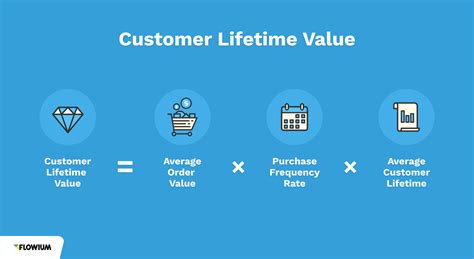
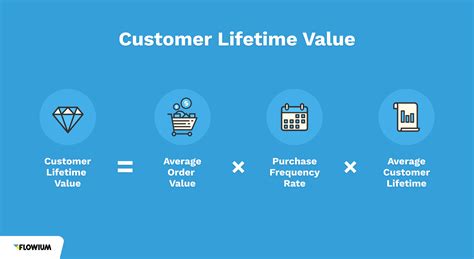
The concept of Customer Lifetime Value (CLV) is crucial for businesses aiming to enhance their long-term profitability and sustainability. Customer Lifetime Value refers to the total value a customer brings to a business over their lifetime. It’s a measure that helps companies understand the potential revenue they can generate from each customer, guiding them to make informed decisions about resource allocation, customer retention, and acquisition strategies. Boosting CLV involves implementing strategies that increase customer loyalty, encourage repeat business, and enhance the overall customer experience.
Understanding the Components of Customer Lifetime Value
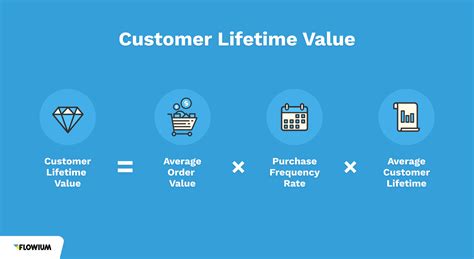
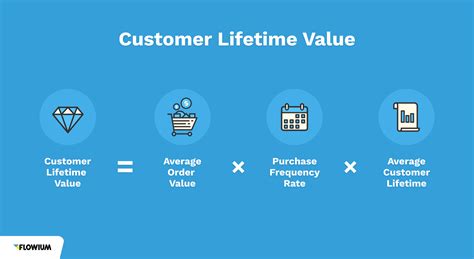
To calculate and boost CLV, it’s essential to understand its components: - Average Order Value (AOV): The average amount spent by a customer in a single transaction. - Purchase Frequency (PF): How often a customer makes a purchase from the business. - Customer Lifespan (CL): The duration a customer continues to make purchases from the business. - Retention Rate (RR): The percentage of customers retained over a specified period.
These components are intertwined and influence one another. For instance, increasing the average order value can lead to higher revenue per customer, while improving the retention rate ensures that customers continue to contribute to the business’s revenue stream over a longer period.
Strategies to Boost Customer Lifetime Value
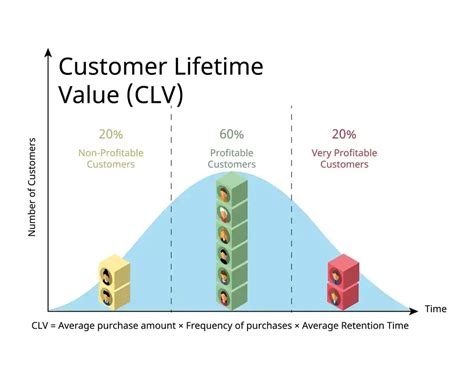
Several strategies can be employed to boost CLV, focusing on enhancing customer experience, building strong relationships, and encouraging loyalty: - Personalization: Offering personalized products, services, or content that cater to individual customer preferences can significantly increase customer satisfaction and loyalty. - Loyalty Programs: Implementing loyalty programs that reward customers for repeat purchases can motivate customers to continue doing business with the company. - Quality of Service: Ensuring high-quality service, including efficient customer support, is crucial for building trust and encouraging repeat business. - Continuous Engagement: Engaging with customers through various channels (e.g., social media, email newsletters) helps maintain a strong relationship and keeps the business top of mind.
Calculating Customer Lifetime Value
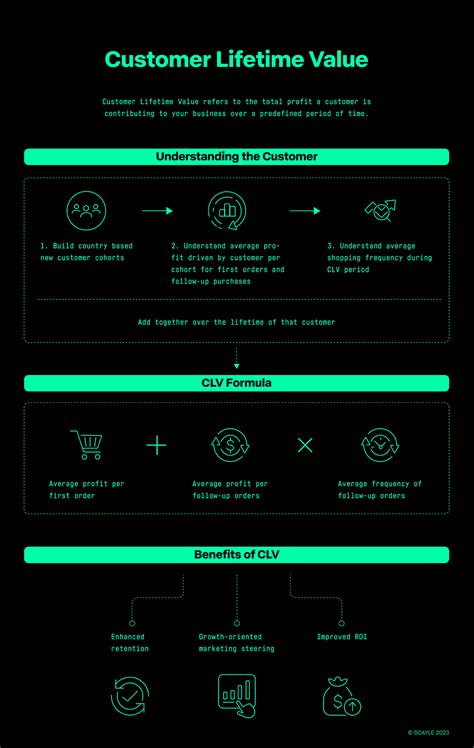
Calculating CLV involves the following formula: CLV = (AOV * PF * CL) * RR This formula provides a basic framework. However, the actual calculation may vary depending on the business model and the specific metrics used.
| Component | Description | Example Value |
|---|---|---|
| AOV | Average Order Value | $100 |
| PF | Purchase Frequency | 5 times/year |
| CL | Customer Lifespan | 5 years |
| RR | Retention Rate | 80% |
Using the values from the table: CLV = (100 * 5 * 5) * 0.8 = 2000
This means each customer is worth $2000 to the business over their lifetime, assuming the given values.
Implementing a CLV-Centric Strategy
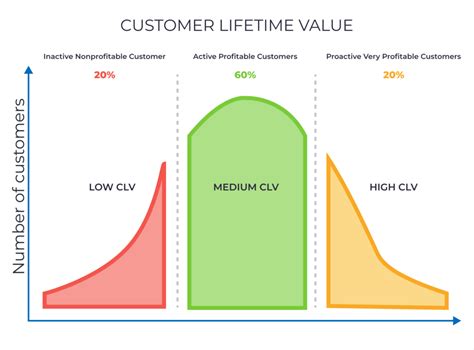
Implementing a strategy focused on boosting CLV requires a multifaceted approach: - Analyze Customer Data: Use data analytics to understand customer behavior, preferences, and pain points. - Develop Personalized Marketing: Create marketing campaigns tailored to different customer segments. - Invest in Customer Service: Ensure that customer service is prompt, helpful, and available through multiple channels. - Monitor and Adjust: Continuously monitor the effectiveness of CLV strategies and make adjustments as needed.
📊 Note: Regularly reviewing and updating CLV calculations is essential to reflect changes in customer behavior and business operations.
Boosting customer lifetime value is a long-term strategy that requires patience, consistent effort, and a deep understanding of customer needs and preferences. By focusing on personalization, quality of service, and continuous engagement, businesses can significantly increase the value of each customer, leading to enhanced profitability and sustainability.
In the end, the key to success lies in the ability to balance short-term goals with long-term strategies, always keeping the customer at the forefront of business decisions. By doing so, companies can foster strong, lasting relationships with their customers, ultimately driving business growth and prosperity.
What is Customer Lifetime Value?
+
Customer Lifetime Value (CLV) is the total value a customer brings to a business over their lifetime. It’s a crucial metric for understanding the potential revenue a customer can generate and for making informed decisions about customer acquisition and retention strategies.
How do you calculate Customer Lifetime Value?
+
The calculation of CLV involves the formula: CLV = (AOV * PF * CL) * RR, where AOV is the average order value, PF is the purchase frequency, CL is the customer lifespan, and RR is the retention rate. The actual values used may vary based on the business model and specific metrics.
Why is boosting Customer Lifetime Value important for businesses?
+
Boosting CLV is important because it leads to increased revenue and profitability. By focusing on customer retention and satisfaction, businesses can encourage repeat business, reduce the cost of customer acquisition, and build a loyal customer base, all of which are critical for long-term success.